Posted inUncategorized

Energy Efficiency Guide and Tips

Energy efficiency is a topic that is becoming increasingly important in today’s world. With the rising costs of energy and the impact of climate change, finding ways to reduce energy consumption is not only good for the environment but also for our wallets. In this blog post, we will explore some practical and specific insights on how to improve energy efficiency in your home or business.

Insulation: The Key to Energy Efficiency

One of the most effective ways to improve energy efficiency is by ensuring that your home or business is well insulated. Proper insulation can help keep your space warm in the winter and cool in the summer, reducing the need for heating and air conditioning. By investing in high-quality insulation, you can save money on your energy bills and reduce your carbon footprint.

Sealing Drafts: Don’t Let the Heat Escape

Another key aspect of energy efficiency is ensuring that your home or business is free from drafts. Drafts can let warm air escape in the winter and cool air escape in the summer, making your heating and cooling systems work harder than they need to. By sealing up any drafts around windows, doors, and other openings, you can keep your space more comfortable and reduce your energy consumption.

Energy-Efficient Appliances: Smart Investments

When it comes to energy efficiency, the appliances you use in your home or business can make a big difference. Investing in energy-efficient appliances can help you save money on your energy bills and reduce your overall energy consumption. Look for appliances with the Energy Star rating, which indicates that they meet strict energy efficiency guidelines set by the government.

LED Lighting: A Bright Idea for Energy Efficiency

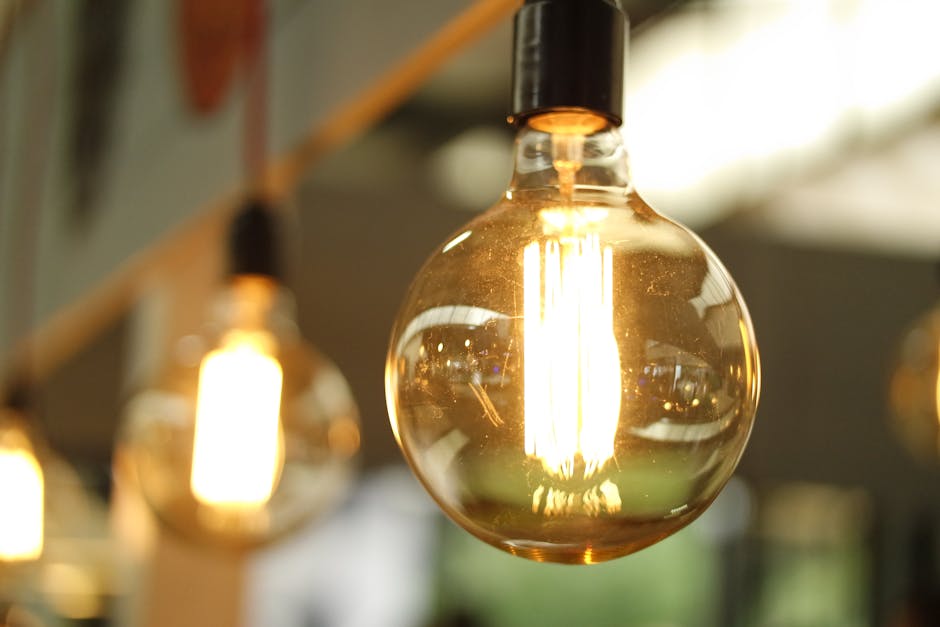
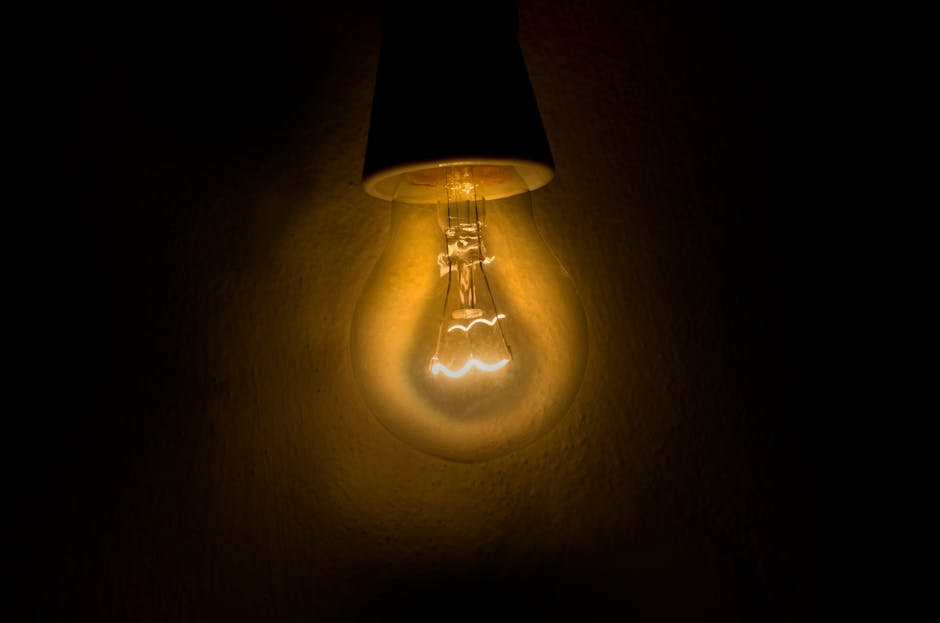
One simple but effective way to improve energy efficiency is by switching to LED lighting. LED bulbs use up to 80% less energy than traditional incandescent bulbs and can last up to 25 times longer. By replacing your old light bulbs with LED bulbs, you can save money on your energy bills and reduce your carbon footprint.

Smart Thermostats: Taking Control of Your Energy Usage

Smart thermostats are another great way to improve energy efficiency in your home or business. These devices allow you to set specific temperatures for different times of the day, so you can avoid heating or cooling an empty space. By using a smart thermostat, you can reduce your energy consumption and save money on your heating and cooling costs.

Conclusion

Improving energy efficiency is not only good for the environment but also for your wallet. By following the practical and specific insights outlined in this blog post, you can reduce your energy consumption, save money on your energy bills, and do your part to combat climate change. So why wait? Start making changes today and reap the benefits of a more energy-efficient home or business.

Leave a Reply

Your email address will not be published. Required fields are marked *

Posted inUncategorized

Energy Efficiency Guide and Tips

Energy efficiency is a hot topic in today’s world, and for good reason. Not only does improving energy efficiency help the environment by reducing carbon emissions, but it also saves you money on your energy bills. In this blog post, we will explore some practical and specific insights for improving energy efficiency in your home or business.

Insulating Your Home

One of the most effective ways to improve energy efficiency in your home is by insulating it properly. Proper insulation helps keep the heat in during the winter and out during the summer, reducing the need for heating and cooling. Insulating your walls, floors, and attic can make a big difference in your energy bills.

Sealing Air Leaks

Another important step in improving energy efficiency is to seal any air leaks in your home. Common areas for air leaks include doors, windows, and ductwork. By sealing these leaks with weatherstripping or caulk, you can prevent warm or cool air from escaping, making your home more comfortable and energy efficient.

Upgrading Your Appliances

Old, inefficient appliances can be a major drain on your energy usage. By upgrading to Energy Star-rated appliances, you can reduce your energy consumption and save money in the long run. Look for appliances with the Energy Star label when shopping for new refrigerators, washing machines, and other household appliances.

Installing Energy-Efficient Lighting

Switching to energy-efficient lighting, such as LED bulbs, can also help improve energy efficiency in your home. LED bulbs use significantly less energy than traditional incandescent bulbs and can last up to 25 times longer. While LED bulbs may be more expensive upfront, the long-term savings make them a worthwhile investment.

Using Smart Thermostats

Smart thermostats are another great tool for improving energy efficiency in your home. These programmable thermostats allow you to set schedules for heating and cooling based on your daily routine, ensuring that you are not wasting energy when you are not at home. Some smart thermostats can even learn your habits and adjust the temperature accordingly.

Investing in Renewable Energy

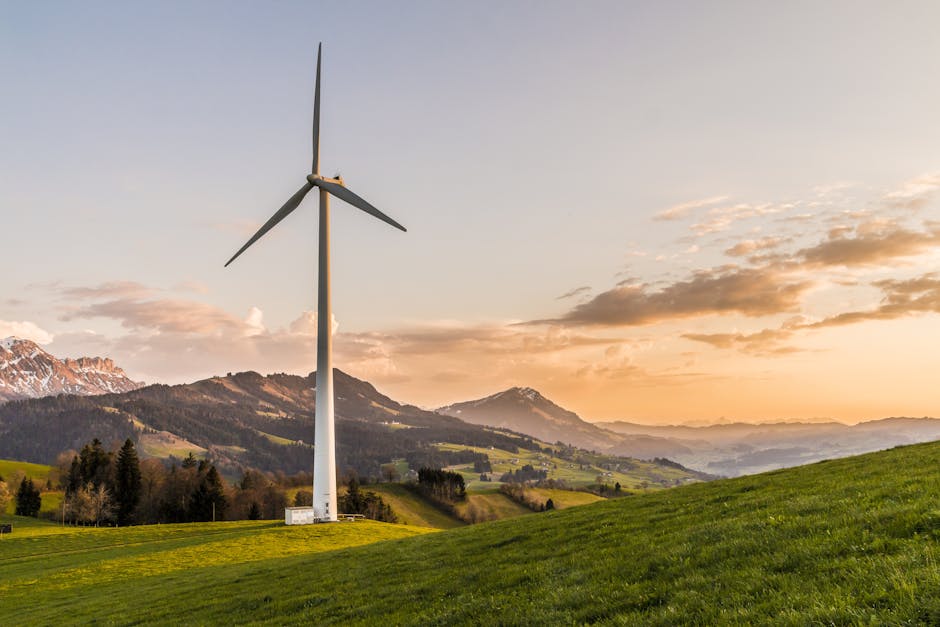
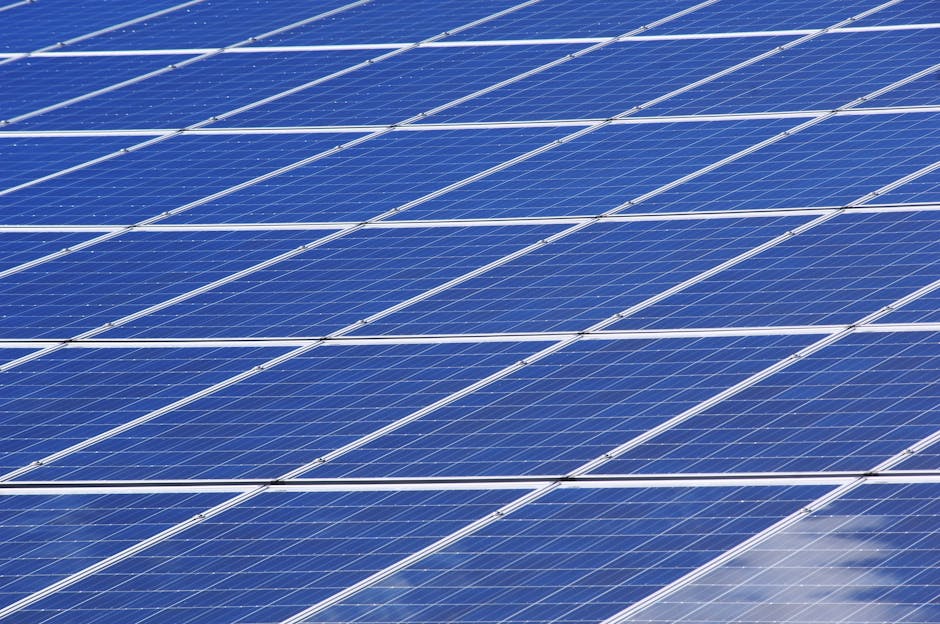
For those looking to take their energy efficiency to the next level, investing in renewable energy sources such as solar panels or wind turbines can be a great option. While the upfront costs may be high, the long-term savings on energy bills and the environmental benefits make renewable energy a worthwhile investment.

In conclusion, improving energy efficiency in your home or business is not only good for the environment but also for your wallet. By insulating your home, sealing air leaks, upgrading appliances, installing energy-efficient lighting, using smart thermostats, and investing in renewable energy, you can reduce your energy consumption and save money on your energy bills. So why wait? Start implementing these energy-efficient practices today and start reaping the benefits.

Leave a Reply

Your email address will not be published. Required fields are marked *

Posted inUncategorized

Energy Efficiency Guide and Tips

Are you looking to save money on your energy bills while also reducing your carbon footprint? Energy efficiency is the key to achieving both of these goals. By making some simple changes and upgrades to your home, you can significantly decrease your energy usage and costs. In this article, we will explore some practical and specific insights for improving the energy efficiency of your home.

Insulation and Draught Proofing

One of the most effective ways to improve energy efficiency in your home is by ensuring that it is well insulated and draught proofed. Proper insulation can help to keep your home warm in the winter and cool in the summer, reducing the need for heating and cooling systems. Draught proofing can also help to prevent cold air from entering your home and warm air from escaping, further reducing your energy usage. Consider adding insulation to your walls, roof, and floors, and seal any gaps or cracks around windows and doors.

Energy-Efficient Appliances

Another way to increase energy efficiency in your home is by using energy-efficient appliances. Look for appliances with a high energy efficiency rating, such as A+++ for washing machines and refrigerators. These appliances are designed to use less energy while still providing the same level of performance. Consider replacing old, inefficient appliances with newer models to save money on your energy bills in the long run.

Heating and Cooling Systems

Heating and cooling systems are major energy consumers in most homes. To improve energy efficiency, consider upgrading to a high-efficiency boiler or heat pump. Make sure to properly maintain your heating and cooling systems by cleaning or replacing filters regularly and scheduling annual tune-ups. You can also save energy by setting your thermostat to a lower temperature in the winter and a higher temperature in the summer, and using a programmable thermostat to adjust the temperature based on your schedule.

Lighting

Switching to energy-efficient lighting is another easy way to improve energy efficiency in your home. LED light bulbs use significantly less energy than traditional incandescent bulbs and can last up to 25 times longer. Consider replacing all of the light bulbs in your home with LED bulbs to save money on your energy bills and reduce your environmental impact.

Renewable Energy

If you are looking to take your energy efficiency efforts to the next level, consider installing renewable energy systems in your home. Solar panels, wind turbines, and geothermal heat pumps are all sustainable energy sources that can help you generate clean electricity and reduce your reliance on fossil fuels. While the initial cost of installing renewable energy systems can be high, the long-term savings and environmental benefits make them a worthwhile investment.

Conclusion

Improving energy efficiency in your home is not only good for your wallet, but also for the environment. By following the practical insights outlined in this article, you can make your home more energy-efficient and reduce your carbon footprint. From insulation and draught proofing to energy-efficient appliances and renewable energy systems, there are plenty of ways to increase energy efficiency in your home. Start making changes today and enjoy the benefits of a more sustainable and cost-effective lifestyle.

Leave a Reply

Your email address will not be published. Required fields are marked *

Posted inUncategorized

Energy Efficiency Guide and Tips

Energy efficiency is a hot topic in today’s world, and for good reason. As we strive to reduce our carbon footprint and save money on energy bills, finding ways to make our homes more energy efficient is crucial. Whether you’re a homeowner looking to cut costs or a business owner aiming to lower your environmental impact, there are a variety of practical steps you can take to improve your energy efficiency.

1. Upgrade to LED lighting: One of the easiest and most effective ways to improve energy efficiency is to switch out old, inefficient light bulbs for LED bulbs. Not only do LED bulbs last longer and use less energy than traditional incandescent bulbs, but they also produce less heat, reducing the strain on your air conditioning system.

2. Install a programmable thermostat: A programmable thermostat allows you to set your heating and cooling systems to run only when you need them, saving energy when you’re not at home or asleep. This simple upgrade can lead to significant savings on your energy bills over time.

3. Seal air leaks: Air leaks around windows, doors, and other openings in your home can let valuable heat escape in the winter and cool air seep out in the summer. By sealing these leaks with caulk or weatherstripping, you can improve your home’s energy efficiency and make it more comfortable year-round.

4. Insulate your home: Proper insulation is key to maintaining a comfortable indoor temperature and reducing your energy usage. By insulating your walls, attic, and floors, you can keep heat in during the winter and out during the summer, leading to lower energy bills and a more sustainable home.

5. Upgrade to energy-efficient appliances: If your appliances are outdated, they may be using more energy than necessary. By replacing old appliances with ENERGY STAR-rated models, you can reduce your energy consumption and save money in the long run.

6. Use power strips: Electronics and appliances that are plugged in but not in use can still draw power, known as “phantom energy.” By using power strips to easily switch off multiple devices at once, you can eliminate phantom energy and reduce your overall energy usage.

7. Plant shade trees: Planting trees strategically around your home can provide natural shade in the summer, reducing the need for air conditioning and lowering your energy bills. In addition, trees can act as windbreaks in the winter, helping to insulate your home and keep it warmer.

8. Consider solar panels: While installing solar panels may require an upfront investment, they can significantly reduce your reliance on traditional energy sources and lower your energy bills over time. In addition, many governments offer incentives and rebates for installing solar panels, making them a cost-effective option for many homeowners.

9. Conduct an energy audit: If you’re unsure where to start with improving your home’s energy efficiency, consider hiring a professional to conduct an energy audit. This thorough assessment will identify areas where you can make improvements and help you prioritize your energy-saving efforts.

10. Educate yourself and others: Finally, one of the most important steps you can take to improve energy efficiency is to educate yourself and others about the benefits of saving energy. By sharing your knowledge and encouraging others to make simple changes in their own homes, you can have a positive impact on the environment and save money in the process.

In conclusion, improving energy efficiency is a crucial step towards creating a more sustainable future. By implementing these practical tips and making small changes in your daily life, you can reduce your energy consumption, lower your carbon footprint, and save money on your energy bills. Start making a difference today by taking action to improve your home’s energy efficiency.

Leave a Reply

Your email address will not be published. Required fields are marked *

Posted inUncategorized

Energy Efficiency Guide and Tips

Energy efficiency is a hot topic these days, and for good reason. With rising energy costs and a growing concern for the environment, finding ways to reduce energy consumption and waste has never been more important. In this article, we will explore some practical and specific insights for improving energy efficiency in your home or business.

Start with an Energy Audit
One of the first steps in improving energy efficiency is to conduct an energy audit. This involves analyzing your current energy usage and identifying areas where you can make improvements. You can hire a professional to conduct an audit, or you can do it yourself with the help of online tools and resources.

Seal Air Leaks
One of the biggest sources of energy waste in a building is air leaks. These leaks can occur around windows, doors, and other openings, allowing warm air to escape in the winter and cool air to escape in the summer. By sealing these leaks with caulk or weatherstripping, you can reduce your energy consumption and save money on your utility bills.

Upgrade to Energy-Efficient Appliances
Another way to improve energy efficiency is to upgrade to energy-efficient appliances. Look for appliances that have the Energy Star label, which indicates that they meet strict energy efficiency guidelines set by the Environmental Protection Agency. While energy-efficient appliances may cost more upfront, they will save you money in the long run through lower energy bills.

Install a Programmable Thermostat
A programmable thermostat allows you to set different temperatures for different times of the day, so you can adjust your heating and cooling settings based on your schedule. This can help you save energy by not heating or cooling your home when you are not there, and by maintaining a comfortable temperature when you are.

Use Energy-Efficient Lighting
Switching to energy-efficient lighting, such as LED bulbs, can also help you save energy and money. LED bulbs use up to 75% less energy than traditional incandescent bulbs and last much longer, making them a cost-effective choice for lighting your home or business.

Insulate Your Home
Proper insulation is essential for maintaining energy efficiency in your home. Insulation helps keep warm air in during the winter and cool air in during the summer, reducing the need for heating and cooling. Insulate your walls, attic, and floors to ensure that your home is properly sealed and energy-efficient.

Conclusion
Improving energy efficiency is a smart investment that can save you money and help protect the environment. By following the tips outlined in this article, you can make your home or business more energy-efficient and reduce your carbon footprint. Start with an energy audit to identify areas for improvement, and then take action to seal air leaks, upgrade appliances, install a programmable thermostat, use energy-efficient lighting, and insulate your home. With these steps, you can enjoy a more comfortable and efficient living or working space while also doing your part to conserve energy and reduce waste.

Leave a Reply

Your email address will not be published. Required fields are marked *

Posted inUncategorized

Energy Efficiency Guide and Tips

Energy Efficiency: Maximizing Savings in Your Home

In today’s world, energy efficiency is more important than ever. Not only does it help reduce your carbon footprint, but it also saves you money in the long run. With the rising cost of energy, finding ways to make your home more energy-efficient is crucial. In this article, we will explore some practical and specific insights to help you maximize savings in your home.

1. Insulation is Key
One of the most effective ways to improve energy efficiency in your home is by ensuring proper insulation. Poor insulation can lead to significant heat loss in the winter and cool air loss in the summer. By properly insulating your home, you can reduce the need for heating and cooling, ultimately saving on your energy bills.

2. Upgrade to Energy-Efficient Appliances
Old appliances are often energy hogs, consuming more power than necessary. By upgrading to energy-efficient appliances, you can significantly reduce your energy consumption. Look for appliances with the Energy Star label, as these are certified to be more efficient than standard models.

3. Seal Leaks and Drafts
Leaky windows and doors can contribute to significant energy loss in your home. By sealing leaks and drafts, you can prevent warm air from escaping in the winter and cool air from escaping in the summer. Simple solutions like weather-stripping and caulking can make a big difference in improving energy efficiency.

4. Use Smart Thermostats
Smart thermostats are a great way to optimize your home’s heating and cooling system. These devices allow you to program temperature settings based on your schedule, ensuring that you’re not wasting energy when you’re away from home. Some smart thermostats even learn your habits and adjust settings automatically to maximize energy savings.

5. Harness Solar Power
Solar power is a renewable energy source that can help reduce your dependence on traditional energy sources. Installing solar panels on your roof can provide clean, sustainable energy for your home. While the initial cost of solar panels may be high, the long-term savings on your energy bills make it a worthwhile investment.

6. Reduce Phantom Energy Usage
Many electronic devices consume energy even when they’re turned off, a phenomenon known as phantom energy usage. To reduce phantom energy usage, unplug devices when they’re not in use or use power strips to easily turn off multiple devices at once. By eliminating phantom energy usage, you can save on your energy bills without sacrificing convenience.

In conclusion, maximizing energy efficiency in your home is a smart way to save money and reduce your environmental impact. By following the practical insights outlined in this article, you can make simple changes that have a big impact on your energy usage. From insulating your home to upgrading to energy-efficient appliances, there are many ways to improve energy efficiency in your home. Start implementing these tips today and start reaping the savings!

Leave a Reply

Your email address will not be published. Required fields are marked *

Posted inUncategorized

Energy Efficiency Guide and Tips

In today’s fast-paced world, energy efficiency has become more important than ever. With rising energy costs and a growing awareness of the environmental impact of energy consumption, finding ways to reduce energy usage has become a top priority for many homeowners and businesses. In this blog post, we will explore some practical and specific insights for improving energy efficiency in your home or workplace.

Insulating Your Home
One of the most effective ways to improve energy efficiency in your home is by ensuring it is properly insulated. Poor insulation can lead to heat escaping in the winter and entering in the summer, resulting in higher energy bills as your heating and cooling systems work harder to maintain a comfortable temperature. By investing in proper insulation for your walls, floors, and attic, you can reduce heat loss and save money on your energy bills.

Upgrading Your Windows
Old, drafty windows can also contribute to energy inefficiency in your home. By upgrading to energy-efficient windows, you can prevent heat loss in the winter and keep cool air inside during the summer. Look for windows with a high energy efficiency rating and consider double or triple glazing for maximum insulation.

Investing in Energy-Efficient Appliances
Another way to improve energy efficiency in your home is by investing in energy-efficient appliances. When shopping for new appliances, look for the Energy Star label, which indicates that the appliance meets strict energy efficiency guidelines set by the Environmental Protection Agency. Energy-efficient appliances use less energy, which can result in significant savings on your energy bills over time.

Using Smart Thermostats
Smart thermostats are a great way to improve energy efficiency in your home. These thermostats can be programmed to adjust the temperature based on your schedule, ensuring that your heating and cooling systems are not running unnecessarily when you are not at home. Some smart thermostats can even learn your habits and adjust the temperature automatically to maximize energy savings.

Sealing Air Leaks
Air leaks in your home can also contribute to energy inefficiency. Common sources of air leaks include gaps around doors and windows, as well as cracks in walls and ceilings. By sealing these air leaks with weatherstripping or caulking, you can prevent heat loss and reduce your energy usage.

Using Energy-Efficient Lighting
Switching to energy-efficient lighting, such as LED bulbs, is another simple way to improve energy efficiency in your home. LED bulbs use significantly less energy than traditional incandescent bulbs and can last up to 25 times longer, saving you money on replacement costs as well as energy bills.

In conclusion, improving energy efficiency in your home or workplace is not only good for the environment, but it can also save you money in the long run. By following the practical insights outlined in this blog post, you can reduce your energy usage and enjoy a more comfortable and sustainable living or working environment.

Leave a Reply

Your email address will not be published. Required fields are marked *

Posted inUncategorized

Energy Efficiency Guide and Tips

Energy efficiency is a crucial aspect of modern living, not only for reducing our carbon footprint but also for saving money on energy bills. With the rising costs of energy and the increasing focus on sustainability, finding ways to improve the energy efficiency of our homes has become a top priority for many homeowners. In this blog post, we will explore some practical and specific insights for increasing energy efficiency in your home.

Insulating Your Home
One of the most effective ways to improve energy efficiency in your home is by properly insulating it. By insulating your walls, floors, and roof, you can prevent heat from escaping during the winter and keep it out during the summer. This can result in significant savings on your heating and cooling bills. Consider upgrading to double-glazed windows and doors, as well as adding insulation to your attic and basement.

Upgrading Your Appliances
Old, inefficient appliances can be a major drain on your energy usage. Consider upgrading to Energy Star-rated appliances, which are designed to be more energy-efficient than standard models. Look for appliances with the Energy Star label when shopping for new ones, and consider replacing older appliances with newer, more efficient models.

Installing Energy-Efficient Lighting
Switching to energy-efficient lighting, such as LED bulbs, can also help reduce your energy usage. LED bulbs use significantly less energy than traditional incandescent bulbs and can last much longer, saving you money in the long run. Consider replacing all of the light bulbs in your home with LEDs to maximize your energy savings.

Using Smart Thermostats
Smart thermostats are another great way to improve energy efficiency in your home. These devices allow you to program your heating and cooling settings based on your schedule and preferences, ensuring that your home is always at the optimal temperature. Some smart thermostats can even learn your habits and adjust the temperature automatically, further reducing your energy usage.

Sealing Air Leaks
Air leaks in your home can be a major source of energy loss. Inspect your home for drafts around windows, doors, and other openings, and seal them with weatherstripping or caulk. This simple step can help prevent heat loss in the winter and keep your home cool in the summer, reducing your energy usage and lowering your utility bills.

Conclusion
Improving energy efficiency in your home is not only good for the environment, but it can also save you money in the long run. By following these practical and specific insights, you can make your home more energy-efficient and reduce your energy bills. Insulating your home, upgrading your appliances, installing energy-efficient lighting, using smart thermostats, and sealing air leaks are just a few of the many ways you can increase energy efficiency in your home. Make these changes today and start enjoying the benefits of a more energy-efficient home.

Leave a Reply

Your email address will not be published. Required fields are marked *

Posted inUncategorized

Energy Efficiency Guide and Tips

Energy Efficiency Tips for Keeping your Home Warm

As the winter months approach, many homeowners are looking for ways to keep their homes warm while also being mindful of their energy consumption. In this blog post, we will discuss some practical and specific tips for increasing energy efficiency in your home. By implementing these tips, you can not only reduce your energy bills but also do your part in helping the environment.

Insulate Your Home Properly

One of the most effective ways to increase energy efficiency in your home is to ensure that it is properly insulated. Poor insulation can lead to heat loss, causing your heating system to work harder and consume more energy. Consider adding insulation to your walls, attic, and floors to keep the heat in and the cold out.

Upgrade to Energy-Efficient Windows

Old, drafty windows can be a major source of heat loss in your home. Consider upgrading to energy-efficient windows, which are designed to keep the heat in and the cold out. This can help reduce your heating bills and make your home more comfortable during the winter months.

Use a Programmable Thermostat

A programmable thermostat allows you to set the temperature in your home according to your schedule. This means that you can lower the temperature while you are away or sleeping, and raise it when you are at home. By using a programmable thermostat, you can reduce your energy consumption without sacrificing comfort.

Seal Air Leaks

Air leaks around windows, doors, and other openings in your home can contribute to heat loss. Seal these leaks with weather stripping or caulking to keep the warm air in and the cold air out. This simple step can help increase energy efficiency and reduce your heating bills.

Use Energy-Efficient Appliances

When shopping for new appliances, look for energy-efficient models that have been certified by organizations such as ENERGY STAR. These appliances are designed to use less energy without sacrificing performance. By replacing old, inefficient appliances with energy-efficient ones, you can reduce your energy consumption and save money on your utility bills.

Monitor Your Energy Usage

Consider installing a smart energy monitor that allows you to track your energy usage in real-time. By monitoring your energy consumption, you can identify areas where you can make improvements and reduce your overall energy usage. This can help you save money on your energy bills and reduce your environmental impact.

Conclusion

Increasing energy efficiency in your home is not only good for your wallet, but also for the environment. By following the tips outlined in this blog post, you can reduce your energy consumption, lower your heating bills, and make your home more comfortable during the winter months. Remember to insulate your home properly, upgrade to energy-efficient windows, use a programmable thermostat, seal air leaks, use energy-efficient appliances, and monitor your energy usage to maximize your energy efficiency.

Leave a Reply

Your email address will not be published. Required fields are marked *

Posted inUncategorized

Energy Efficiency Guide and Tips

Energy Efficiency: Top Tips to Slash Your Energy Bills

Are you tired of receiving high energy bills every month? Do you want to reduce your carbon footprint and make your home more energy-efficient? Look no further! In this blog post, we will provide you with practical and specific insights on how to improve the energy efficiency of your home. By following these tips, you can save money on your energy bills while also helping the environment.

1. Insulate your home properly
One of the most effective ways to improve energy efficiency is to ensure that your home is properly insulated. This can prevent heat loss during the winter months and keep your home cool during the summer. Check your attic, walls, and floors for any gaps or leaks, and consider adding insulation where needed. This simple step can make a big difference in reducing your energy consumption.

2. Upgrade to energy-efficient appliances
Older appliances tend to be less energy-efficient than newer models. Consider upgrading to Energy Star-certified appliances, which are designed to use less energy while still providing the same level of performance. Look for appliances with high energy efficiency ratings, such as refrigerators, washing machines, and dishwashers. Although these appliances may have a higher upfront cost, they can save you money in the long run through lower energy bills.

3. Use programmable thermostats
Heating and cooling your home can account for a significant portion of your energy bills. By using a programmable thermostat, you can set specific temperatures for different times of the day, allowing you to save energy when you are not at home or asleep. This can help you reduce your heating and cooling costs without sacrificing comfort.

4. Seal air leaks
Air leaks in your home can lead to significant energy loss, as warm air escapes during the winter and cool air escapes during the summer. Check for drafts around windows, doors, and electrical outlets, and use weather-stripping or caulk to seal any gaps. This simple step can help you maintain a consistent temperature in your home and reduce your energy consumption.

5. Install energy-efficient lighting
Traditional incandescent light bulbs are not very energy-efficient and can contribute to high energy bills. Consider replacing them with LED or CFL bulbs, which use less energy and last longer. These bulbs may have a higher upfront cost, but they can save you money over time through lower energy consumption and reduced replacement costs.

6. Plant trees and shrubs
Planting trees and shrubs around your home can provide natural shade during the summer, reducing the need for air conditioning. In the winter, trees can act as a windbreak, reducing heat loss and lowering your heating costs. Additionally, trees and shrubs can improve air quality and provide habitat for wildlife.

By following these tips, you can improve the energy efficiency of your home and reduce your energy bills. Making small changes to your daily habits and home maintenance routines can add up to significant savings over time. So why wait? Start implementing these tips today and enjoy a more energy-efficient home.

Leave a Reply

Your email address will not be published. Required fields are marked *

Posted inUncategorized

Energy Efficiency Guide and Tips

Title: Unlocking Energy Efficiency: Practical Tips for a Greener Home

In today’s world, where climate change is becoming an increasingly pressing issue, energy efficiency has never been more important. Not only does it help reduce your carbon footprint, but it can also lead to significant cost savings in the long run. Whether you’re looking to make small changes or undertake a major home renovation, there are plenty of practical steps you can take to improve the energy efficiency of your home.

Here are some specific insights and tips to help you on your journey to a greener, more energy-efficient home:

1. Insulate, Insulate, Insulate
One of the most effective ways to improve energy efficiency in your home is to ensure it is well-insulated. Proper insulation helps to keep the heat in during the winter and out during the summer, reducing the need for excessive heating and cooling. Consider adding insulation to your walls, attic, and floors to make your home more energy-efficient.

2. Upgrade Your Lighting
Switching to energy-efficient lighting, such as LED bulbs, can make a significant impact on your energy consumption. Not only do LED bulbs use less energy than traditional incandescent bulbs, but they also last much longer, saving you money in the long term. Make the switch today and start seeing the benefits of energy-efficient lighting.

3. Invest in Energy-Efficient Appliances
When it comes time to replace old appliances, opt for energy-efficient models. Look for appliances with a high energy efficiency rating, such as those with an ENERGY STAR certification. These appliances are designed to use less energy while still providing the same level of performance, helping you save money on your energy bills.

4. Seal Leaks and Drafts
Leaky windows and doors can significantly impact the energy efficiency of your home. Take the time to seal any drafts and leaks around windows, doors, and other openings to prevent heat loss and air infiltration. Simple fixes, such as adding weatherstripping or caulking, can go a long way in improving the energy efficiency of your home.

5. Use Smart Thermostats
Smart thermostats are a great investment for improving energy efficiency in your home. These devices allow you to set specific temperature schedules, adjust settings remotely, and monitor your energy usage in real-time. By optimizing your heating and cooling systems, you can reduce energy waste and lower your energy bills.

6. Harness Solar Power
Consider harnessing the power of the sun by installing solar panels on your roof. Solar panels can help offset your energy usage and reduce your reliance on traditional electricity sources. While the upfront cost of solar panels may be high, the long-term savings and environmental benefits make them a worthwhile investment for energy-conscious homeowners.

7. Monitor Your Energy Usage
Lastly, keep track of your energy usage and make adjustments as needed. Use energy monitoring tools to identify areas where you can reduce energy consumption and make changes accordingly. By staying mindful of your energy usage, you can make informed decisions that lead to a more energy-efficient home.

In conclusion, improving energy efficiency in your home is not only good for the environment but also for your wallet. By following these practical tips and making small changes, you can create a greener, more sustainable living space. Start today and unlock the benefits of a more energy-efficient home.

Leave a Reply

Your email address will not be published. Required fields are marked *

Posted inUncategorized

Energy Efficiency Guide and Tips

Energy efficiency is a hot topic these days, and for good reason. As concerns about climate change and the environment continue to grow, finding ways to reduce our energy consumption and lower our carbon footprint has become more important than ever. Luckily, there are plenty of practical steps that we can take to make our homes and businesses more energy efficient.

One of the easiest and most effective ways to improve energy efficiency is by upgrading to energy-efficient appliances. When shopping for new appliances, look for the Energy Saving Trust Recommended logo, which indicates that the appliance meets strict energy efficiency criteria. By replacing old, inefficient appliances with new, energy-efficient models, you can reduce your energy consumption and save money on your energy bills.

Another simple way to improve energy efficiency is by installing energy-efficient lighting. LED bulbs use up to 90% less energy than traditional incandescent bulbs, and they last much longer too. By replacing all of the light bulbs in your home or business with LED bulbs, you can significantly reduce your energy consumption and save money on your electricity bills.

In addition to upgrading appliances and lighting, there are plenty of other ways to improve energy efficiency in your home or business. Here are a few practical tips to help you get started:

– Seal up any drafts or leaks around doors and windows to prevent heat loss.
– Install a programmable thermostat to help regulate your heating and cooling system more efficiently.
– Use energy-efficient window coverings like blinds or curtains to help regulate the temperature in your home.
– Consider installing solar panels to generate your own clean, renewable energy.

By taking these simple steps to improve energy efficiency, you can make a big difference in reducing your energy consumption and lowering your carbon footprint. Not only will you be helping the environment, but you’ll also save money on your energy bills in the long run.

In conclusion, energy efficiency is an important issue that we all need to take seriously. By making small changes to our daily habits and investing in energy-efficient upgrades, we can all do our part to reduce our impact on the environment and save money on our energy bills. So why wait? Start making your home or business more energy efficient today!

Leave a Reply

Your email address will not be published. Required fields are marked *

Posted inUncategorized

Energy Efficiency Guide and Tips

Are you looking to make your home more energy efficient? In today’s world, where energy costs continue to rise and environmental concerns are at the forefront of everyone’s minds, finding ways to reduce your energy consumption is not only a smart financial decision but also a responsible choice for the planet. In this article, we will explore some practical and specific insights for improving the energy efficiency of your home.

Insulation is Key
One of the most effective ways to improve the energy efficiency of your home is to ensure that it is properly insulated. Good insulation helps to keep the heat in during the winter and out during the summer, reducing the amount of energy needed to heat and cool your home. Check for gaps and drafts around windows and doors, and consider adding insulation to your walls and attic if necessary.

Upgrade Your Windows
Old, drafty windows can be a major source of energy loss in a home. Consider upgrading to double or triple-glazed windows, which provide better insulation and can significantly reduce heat loss. You can also install window treatments such as blinds or curtains to help keep heat in during the winter and out during the summer.

Invest in Energy-Efficient Appliances
When it comes time to replace your appliances, be sure to choose ones that are energy efficient. Look for the Energy Star label, which indicates that the appliance meets certain energy efficiency standards. Energy-efficient appliances can help to reduce your energy consumption and lower your utility bills.

Use Programmable Thermostats
A programmable thermostat allows you to set your heating and cooling systems to operate at specific times and temperatures, helping you to save energy when you are not at home or asleep. By programming your thermostat to lower the temperature in the winter and raise it in the summer when you are not home, you can save money on your energy bills without sacrificing comfort.

Seal Leaks and Ducts
Leaky ducts can waste a significant amount of energy, as hot or cold air escapes before it reaches its intended destination. Inspect your ductwork for leaks and seal them with duct tape or foil tape. You can also seal leaks around windows, doors, and electrical outlets with caulk or weatherstripping to prevent drafts and save energy.

Consider Renewable Energy Sources
If you are looking to reduce your carbon footprint even further, consider investing in renewable energy sources such as solar panels or wind turbines. While the initial cost of installation may be high, these systems can help you to generate your own clean energy and reduce your reliance on traditional energy sources.

In conclusion, improving the energy efficiency of your home is not only beneficial for your wallet but also for the environment. By following these practical tips and making a few simple changes, you can reduce your energy consumption, lower your utility bills, and do your part to protect the planet. So why wait? Start making your home more energy efficient today.

Leave a Reply

Your email address will not be published. Required fields are marked *

Posted inUncategorized

Energy Efficiency Guide and Tips

Energy efficiency is a hot topic these days, and for good reason. Not only does being energy efficient help the environment by reducing our carbon footprint, but it can also save us money on our energy bills. In this blog post, we’ll explore some practical and specific insights for improving energy efficiency in your home or business.

Insulating Your Home
One of the most effective ways to improve energy efficiency in your home is by ensuring it is properly insulated. This can help keep the heat in during the winter and out during the summer, reducing the need for heating and cooling systems to work overtime. Consider adding insulation to your walls, attic, and floors to make your home more energy efficient.

Installing Energy-Efficient Appliances
Another way to improve energy efficiency is by upgrading to energy-efficient appliances. Look for appliances with the Energy Star label, which indicates that they meet strict energy efficiency guidelines set by the government. Not only will these appliances help you save on your energy bills, but they will also reduce your carbon footprint.

Sealing Leaks
One often overlooked way to improve energy efficiency is by sealing leaks in your home. Leaks around windows, doors, and ducts can let hot air in during the summer and out during the winter, making your heating and cooling systems work harder. Sealing these leaks can help improve energy efficiency and make your home more comfortable.

Using Energy-Efficient Lighting
Switching to energy-efficient lighting, such as LED bulbs, can also help improve energy efficiency in your home. LED bulbs use up to 80% less energy than traditional incandescent bulbs and can last up to 25 times longer. While they may cost more upfront, the savings on your energy bills over time make them a worthwhile investment.

Programmable Thermostats
Installing a programmable thermostat can help you save on your energy bills by allowing you to set the temperature in your home based on your schedule. For example, you can program the thermostat to lower the temperature when you’re away at work and raise it when you’re at home. This can help you save on heating and cooling costs without sacrificing comfort.

Renewable Energy Sources
If you’re looking to take your energy efficiency to the next level, consider investing in renewable energy sources such as solar panels or wind turbines. While the upfront cost may be high, these sources can help you generate your own clean energy and reduce your reliance on fossil fuels.

In conclusion, improving energy efficiency in your home or business is not only good for the environment but can also save you money in the long run. By insulating your home, installing energy-efficient appliances, sealing leaks, using energy-efficient lighting, installing programmable thermostats, and considering renewable energy sources, you can make your home more energy efficient and reduce your carbon footprint. Start making these changes today and reap the benefits of a more energy-efficient home.

Leave a Reply

Your email address will not be published. Required fields are marked *

Posted inUncategorized

Energy Efficiency Guide and Tips

Energy Efficiency: How to Boost Your Home’s Energy Efficiency

In today’s world, it’s more important than ever to be mindful of our energy usage. Not only does being energy efficient help to reduce your carbon footprint, but it also saves you money in the long run. If you’re looking to boost your home’s energy efficiency, you’ve come to the right place. In this article, we’ll explore some practical and specific insights to help you make your home more energy efficient.

Upgrade Your Insulation

One of the best ways to improve your home’s energy efficiency is by upgrading your insulation. Proper insulation helps to keep your home warm in the winter and cool in the summer, reducing the need for heating and cooling systems. Consider adding insulation to your walls, attic, and floors to prevent heat loss and gain.

Install Energy-Efficient Windows

Another key factor in energy efficiency is your windows. Old, drafty windows can let in cold air in the winter and hot air in the summer, making your heating and cooling systems work harder. Consider installing energy-efficient windows, such as double-glazed or triple-glazed windows, to improve insulation and reduce energy usage.

Upgrade to Energy-Efficient Appliances

If you’re still using old, energy-guzzling appliances, it’s time for an upgrade. Energy-efficient appliances use less energy to operate, saving you money on your energy bills. Look for appliances with an Energy Star rating, which indicates that they meet strict energy efficiency guidelines set by the Environmental Protection Agency.

Seal Air Leaks

Air leaks in your home can result in significant energy loss. Check for drafts around windows, doors, and electrical outlets, and seal them with caulk or weatherstripping. You can also hire a professional to conduct a home energy audit to identify and seal air leaks throughout your home.

Use Smart Thermostats

Smart thermostats are a great way to improve your home’s energy efficiency. These thermostats learn your heating and cooling preferences and adjust the temperature accordingly, saving you energy and money. Some smart thermostats can even be controlled remotely from your smartphone, allowing you to adjust the temperature when you’re away from home.

Utilize Natural Light

Maximize natural light in your home to reduce your reliance on artificial lighting. Open curtains and blinds during the day to let in sunlight, and consider installing skylights or solar tubes to bring in even more natural light. Not only will this help to reduce your energy usage, but it can also improve your mood and productivity.

Invest in Renewable Energy Sources

Consider investing in renewable energy sources, such as solar panels or wind turbines, to generate your own electricity. While the initial cost may be high, the long-term savings and environmental benefits make renewable energy a worthwhile investment. You may even be eligible for government incentives or rebates to help offset the cost.

Conclusion

Improving your home’s energy efficiency doesn’t have to be difficult or expensive. By following these practical tips, you can make your home more energy efficient, reduce your energy bills, and help protect the environment. Start small with upgrades like insulation and energy-efficient appliances, and gradually work your way up to larger investments like renewable energy sources. Your wallet and the planet will thank you.

Leave a Reply

Your email address will not be published. Required fields are marked *

Posted inUncategorized

Energy Efficiency Guide and Tips

In today’s world, energy efficiency is more important than ever. Not only does it help reduce our carbon footprint and protect the environment, but it also saves us money in the long run. With rising energy costs and a growing awareness of the impact of our energy consumption, finding ways to improve energy efficiency in our homes and businesses is crucial.

One of the most effective ways to increase energy efficiency is through the use of M-HP EPCs. M-HP EPCs, or Multi-Home Performance Energy Certificates, are a powerful tool for assessing the energy efficiency of a property and identifying areas for improvement. By evaluating a property’s energy performance and providing recommendations for upgrades, M-HP EPCs can help homeowners and businesses significantly reduce their energy bills and environmental impact.

So, how exactly do M-HP EPCs work, and what can they offer in terms of energy efficiency? Let’s take a closer look at this innovative energy assessment tool.

Understanding M-HP EPCs

M-HP EPCs are a comprehensive energy assessment tool that evaluates the energy performance of multiple properties within a building complex. Unlike traditional EPCs, which assess individual properties, M-HP EPCs provide a holistic view of the energy efficiency of the entire building complex. This allows for a more accurate assessment of energy consumption and potential savings.

During an M-HP EPC assessment, a qualified energy assessor will conduct a detailed inspection of the building complex, including all individual properties. The assessor will gather data on the building’s construction, insulation, heating and cooling systems, lighting, and appliances. This information is then used to calculate the building’s energy performance rating and identify opportunities for improvement.

Benefits of M-HP EPCs

There are several key benefits to obtaining an M-HP EPC for your building complex. These include:

1. Improved energy efficiency: By identifying areas for improvement, M-HP EPCs can help you make targeted upgrades that will reduce energy consumption and lower your utility bills.

2. Increased property value: Energy-efficient buildings are more attractive to buyers and tenants, making your property more valuable on the market.

3. Environmental impact: By reducing energy consumption, M-HP EPCs help lower greenhouse gas emissions and protect the environment.

4. Compliance with regulations: In some cases, M-HP EPCs may be required by law for certain types of buildings. By obtaining an M-HP EPC, you can ensure that your building complex is compliant with regulations.

Conclusion

In conclusion, M-HP EPCs are a powerful tool for improving energy efficiency in building complexes. By providing a comprehensive assessment of energy performance and recommendations for upgrades, M-HP EPCs can help you save money, reduce your environmental impact, and increase the value of your property. If you’re looking to make your building complex more energy-efficient, consider obtaining an M-HP EPC today.

Leave a Reply

Your email address will not be published. Required fields are marked *

Posted inUncategorized

Energy Efficiency Guide and Tips

In today’s world, energy efficiency is more important than ever. Not only does it help to reduce our carbon footprint and protect the environment, but it can also save us money on our energy bills. Whether you’re a homeowner looking to cut costs or a business owner trying to be more sustainable, there are plenty of practical steps you can take to improve your energy efficiency.

One of the simplest ways to improve energy efficiency in your home or business is to upgrade to LED lighting. LED bulbs use up to 80% less energy than traditional incandescent bulbs and can last up to 25 times longer. Not only will this save you money on your electricity bill, but it will also reduce the amount of energy you use overall.

Another easy way to improve energy efficiency is to properly insulate your home or business. By insulating your walls, floors, and ceilings, you can prevent heat from escaping in the winter and keep cool air in during the summer. This can help to reduce the amount of energy you use for heating and cooling, ultimately saving you money in the long run.

If you’re looking to take your energy efficiency to the next level, consider investing in renewable energy sources such as solar panels or wind turbines. While the initial cost of these technologies can be high, they can provide a long-term solution for reducing your energy consumption and reliance on fossil fuels. Plus, many governments offer incentives and rebates for installing renewable energy systems, making them a more affordable option for many homeowners and businesses.

In addition to these practical steps, there are plenty of simple habits you can incorporate into your daily routine to improve energy efficiency. For example, turning off lights and electronics when they’re not in use, using a programmable thermostat to regulate your heating and cooling, and washing your clothes in cold water can all help to reduce your energy consumption and save you money.

Overall, improving energy efficiency doesn’t have to be complicated or expensive. By making a few simple changes to your home or business, you can reduce your energy usage, save money on your bills, and help to protect the environment for future generations. So why wait? Start making changes today and reap the benefits of a more energy-efficient lifestyle.

Leave a Reply

Your email address will not be published. Required fields are marked *

Posted inUncategorized

Energy Efficiency Guide and Tips

Energy Efficiency – The Key to Cutting Costs and Saving the Environment

When it comes to managing your energy consumption, there is no doubt that energy efficiency plays a crucial role. By making simple changes to how you use energy in your home or office, you can not only cut costs on your energy bills but also reduce your carbon footprint and help protect the environment. In this article, we will explore practical and specific insights for improving energy efficiency in your daily life.

Understanding Energy Efficiency

Before we delve into specific tips for improving energy efficiency, let’s first understand what it means. Energy efficiency is all about getting the most out of the energy we use. By using energy-efficient appliances and making conscious choices about how we use energy, we can reduce the amount of energy we consume without sacrificing comfort or convenience.

Tips for Improving Energy Efficiency

1. Upgrade to energy-efficient appliances: One of the most effective ways to improve energy efficiency in your home is by upgrading to energy-efficient appliances. Look for appliances with a high energy star rating, as these are designed to use less energy while still providing the same level of performance.

2. Insulate your home: Proper insulation is key to maintaining a comfortable temperature in your home without relying heavily on heating or cooling systems. Insulate your walls, ceilings, and floors to prevent heat loss in the winter and keep cool air inside during the summer.

3. Use programmable thermostats: Programmable thermostats allow you to set your heating and cooling systems to operate at specific times of the day, helping you save energy when you are not at home or asleep. This simple adjustment can lead to significant savings on your energy bills.

4. Seal drafts: Drafts around windows, doors, and other openings can let in cold air in the winter and hot air in the summer, making your heating and cooling systems work harder. Seal these drafts with weatherstripping or caulking to improve energy efficiency.

5. Unplug electronics when not in use: Many electronic devices consume energy even when they are turned off. Unplug chargers, televisions, computers, and other devices when they are not in use to prevent “phantom” energy consumption.

6. Use natural light: Take advantage of natural light during the day by opening curtains and blinds. This can help reduce the need for artificial lighting and lower your energy consumption.

7. Switch to LED bulbs: LED bulbs are more energy-efficient than traditional incandescent bulbs and can last much longer. Switching to LED bulbs throughout your home can lead to significant energy savings over time.

Conclusion

Improving energy efficiency is not only beneficial for your wallet but also for the environment. By making simple changes to how you use energy in your daily life, you can reduce your energy consumption, cut costs on your energy bills, and help protect the planet. Start implementing these tips today and enjoy the benefits of a more energy-efficient lifestyle.

Leave a Reply

Your email address will not be published. Required fields are marked *

Posted inUncategorized

Energy Efficiency Guide and Tips

Energy efficiency is a topic that is becoming increasingly important in today’s world. With the rising costs of energy and the impact of climate change, finding ways to reduce energy consumption is not only good for the environment but also for our wallets. In this blog post, we will explore some practical and specific insights on how to improve energy efficiency in your home or business.

Insulation: The Key to Energy Efficiency

One of the most effective ways to improve energy efficiency is by ensuring that your home or business is well insulated. Proper insulation can help keep your space warm in the winter and cool in the summer, reducing the need for heating and air conditioning. By investing in high-quality insulation, you can save money on your energy bills and reduce your carbon footprint.

Sealing Drafts: Don’t Let the Heat Escape

Another key aspect of energy efficiency is ensuring that your home or business is free from drafts. Drafts can let warm air escape in the winter and cool air escape in the summer, making your heating and cooling systems work harder than they need to. By sealing up any drafts around windows, doors, and other openings, you can keep your space more comfortable and reduce your energy consumption.

Energy-Efficient Appliances: Smart Investments

When it comes to energy efficiency, the appliances you use in your home or business can make a big difference. Investing in energy-efficient appliances can help you save money on your energy bills and reduce your overall energy consumption. Look for appliances with the Energy Star rating, which indicates that they meet strict energy efficiency guidelines set by the government.

LED Lighting: A Bright Idea for Energy Efficiency

One simple but effective way to improve energy efficiency is by switching to LED lighting. LED bulbs use up to 80% less energy than traditional incandescent bulbs and can last up to 25 times longer. By replacing your old light bulbs with LED bulbs, you can save money on your energy bills and reduce your carbon footprint.

Smart Thermostats: Taking Control of Your Energy Usage

Smart thermostats are another great way to improve energy efficiency in your home or business. These devices allow you to set specific temperatures for different times of the day, so you can avoid heating or cooling an empty space. By using a smart thermostat, you can reduce your energy consumption and save money on your heating and cooling costs.

Conclusion

Improving energy efficiency is not only good for the environment but also for your wallet. By following the practical and specific insights outlined in this blog post, you can reduce your energy consumption, save money on your energy bills, and do your part to combat climate change. So why wait? Start making changes today and reap the benefits of a more energy-efficient home or business.
Leave a Reply

Your email address will not be published. Required fields are marked *

Posted inUncategorized

Energy Efficiency Guide and Tips

Energy efficiency is a hot topic in today’s world, and for good reason. Not only does improving energy efficiency help the environment by reducing carbon emissions, but it also saves you money on your energy bills. In this blog post, we will explore some practical and specific insights for improving energy efficiency in your home or business.

Insulating Your Home

One of the most effective ways to improve energy efficiency in your home is by insulating it properly. Proper insulation helps keep the heat in during the winter and out during the summer, reducing the need for heating and cooling. Insulating your walls, floors, and attic can make a big difference in your energy bills.

Sealing Air Leaks

Another important step in improving energy efficiency is to seal any air leaks in your home. Common areas for air leaks include doors, windows, and ductwork. By sealing these leaks with weatherstripping or caulk, you can prevent warm or cool air from escaping, making your home more comfortable and energy efficient.

Upgrading Your Appliances

Old, inefficient appliances can be a major drain on your energy usage. By upgrading to Energy Star-rated appliances, you can reduce your energy consumption and save money in the long run. Look for appliances with the Energy Star label when shopping for new refrigerators, washing machines, and other household appliances.

Installing Energy-Efficient Lighting

Switching to energy-efficient lighting, such as LED bulbs, can also help improve energy efficiency in your home. LED bulbs use significantly less energy than traditional incandescent bulbs and can last up to 25 times longer. While LED bulbs may be more expensive upfront, the long-term savings make them a worthwhile investment.

Using Smart Thermostats

Smart thermostats are another great tool for improving energy efficiency in your home. These programmable thermostats allow you to set schedules for heating and cooling based on your daily routine, ensuring that you are not wasting energy when you are not at home. Some smart thermostats can even learn your habits and adjust the temperature accordingly.

Investing in Renewable Energy

For those looking to take their energy efficiency to the next level, investing in renewable energy sources such as solar panels or wind turbines can be a great option. While the upfront costs may be high, the long-term savings on energy bills and the environmental benefits make renewable energy a worthwhile investment.

In conclusion, improving energy efficiency in your home or business is not only good for the environment but also for your wallet. By insulating your home, sealing air leaks, upgrading appliances, installing energy-efficient lighting, using smart thermostats, and investing in renewable energy, you can reduce your energy consumption and save money on your energy bills. So why wait? Start implementing these energy-efficient practices today and start reaping the benefits.

Leave a Reply

Your email address will not be published. Required fields are marked *

Posted inUncategorized

Energy Efficiency Guide and Tips

Are you looking to save money on your energy bills while also reducing your carbon footprint? Energy efficiency is the key to achieving both of these goals. By making some simple changes and upgrades to your home, you can significantly decrease your energy usage and costs. In this article, we will explore some practical and specific insights for improving the energy efficiency of your home.

Insulation and Draught Proofing

One of the most effective ways to improve energy efficiency in your home is by ensuring that it is well insulated and draught proofed. Proper insulation can help to keep your home warm in the winter and cool in the summer, reducing the need for heating and cooling systems. Draught proofing can also help to prevent cold air from entering your home and warm air from escaping, further reducing your energy usage. Consider adding insulation to your walls, roof, and floors, and seal any gaps or cracks around windows and doors.

Energy-Efficient Appliances

Another way to increase energy efficiency in your home is by using energy-efficient appliances. Look for appliances with a high energy efficiency rating, such as A+++ for washing machines and refrigerators. These appliances are designed to use less energy while still providing the same level of performance. Consider replacing old, inefficient appliances with newer models to save money on your energy bills in the long run.

Heating and Cooling Systems

Heating and cooling systems are major energy consumers in most homes. To improve energy efficiency, consider upgrading to a high-efficiency boiler or heat pump. Make sure to properly maintain your heating and cooling systems by cleaning or replacing filters regularly and scheduling annual tune-ups. You can also save energy by setting your thermostat to a lower temperature in the winter and a higher temperature in the summer, and using a programmable thermostat to adjust the temperature based on your schedule.

Lighting

Switching to energy-efficient lighting is another easy way to improve energy efficiency in your home. LED light bulbs use significantly less energy than traditional incandescent bulbs and can last up to 25 times longer. Consider replacing all of the light bulbs in your home with LED bulbs to save money on your energy bills and reduce your environmental impact.

Renewable Energy

If you are looking to take your energy efficiency efforts to the next level, consider installing renewable energy systems in your home. Solar panels, wind turbines, and geothermal heat pumps are all sustainable energy sources that can help you generate clean electricity and reduce your reliance on fossil fuels. While the initial cost of installing renewable energy systems can be high, the long-term savings and environmental benefits make them a worthwhile investment.

Conclusion

Improving energy efficiency in your home is not only good for your wallet, but also for the environment. By following the practical insights outlined in this article, you can make your home more energy-efficient and reduce your carbon footprint. From insulation and draught proofing to energy-efficient appliances and renewable energy systems, there are plenty of ways to increase energy efficiency in your home. Start making changes today and enjoy the benefits of a more sustainable and cost-effective lifestyle.

Leave a Reply

Your email address will not be published. Required fields are marked *

Posted inUncategorized

Energy Efficiency Guide and Tips

Energy efficiency is a hot topic in today’s world, and for good reason. As we strive to reduce our carbon footprint and save money on energy bills, finding ways to make our homes more energy efficient is crucial. Whether you’re a homeowner looking to cut costs or a business owner aiming to lower your environmental impact, there are a variety of practical steps you can take to improve your energy efficiency.

1. Upgrade to LED lighting: One of the easiest and most effective ways to improve energy efficiency is to switch out old, inefficient light bulbs for LED bulbs. Not only do LED bulbs last longer and use less energy than traditional incandescent bulbs, but they also produce less heat, reducing the strain on your air conditioning system.

2. Install a programmable thermostat: A programmable thermostat allows you to set your heating and cooling systems to run only when you need them, saving energy when you’re not at home or asleep. This simple upgrade can lead to significant savings on your energy bills over time.

3. Seal air leaks: Air leaks around windows, doors, and other openings in your home can let valuable heat escape in the winter and cool air seep out in the summer. By sealing these leaks with caulk or weatherstripping, you can improve your home’s energy efficiency and make it more comfortable year-round.

4. Insulate your home: Proper insulation is key to maintaining a comfortable indoor temperature and reducing your energy usage. By insulating your walls, attic, and floors, you can keep heat in during the winter and out during the summer, leading to lower energy bills and a more sustainable home.

5. Upgrade to energy-efficient appliances: If your appliances are outdated, they may be using more energy than necessary. By replacing old appliances with ENERGY STAR-rated models, you can reduce your energy consumption and save money in the long run.

6. Use power strips: Electronics and appliances that are plugged in but not in use can still draw power, known as “phantom energy.” By using power strips to easily switch off multiple devices at once, you can eliminate phantom energy and reduce your overall energy usage.

7. Plant shade trees: Planting trees strategically around your home can provide natural shade in the summer, reducing the need for air conditioning and lowering your energy bills. In addition, trees can act as windbreaks in the winter, helping to insulate your home and keep it warmer.

8. Consider solar panels: While installing solar panels may require an upfront investment, they can significantly reduce your reliance on traditional energy sources and lower your energy bills over time. In addition, many governments offer incentives and rebates for installing solar panels, making them a cost-effective option for many homeowners.

9. Conduct an energy audit: If you’re unsure where to start with improving your home’s energy efficiency, consider hiring a professional to conduct an energy audit. This thorough assessment will identify areas where you can make improvements and help you prioritize your energy-saving efforts.

10. Educate yourself and others: Finally, one of the most important steps you can take to improve energy efficiency is to educate yourself and others about the benefits of saving energy. By sharing your knowledge and encouraging others to make simple changes in their own homes, you can have a positive impact on the environment and save money in the process.

In conclusion, improving energy efficiency is a crucial step towards creating a more sustainable future. By implementing these practical tips and making small changes in your daily life, you can reduce your energy consumption, lower your carbon footprint, and save money on your energy bills. Start making a difference today by taking action to improve your home’s energy efficiency.

Leave a Reply

Your email address will not be published. Required fields are marked *

Posted inUncategorized

Energy Efficiency Guide and Tips

Energy efficiency is a hot topic these days, and for good reason. With rising energy costs and a growing concern for the environment, finding ways to reduce energy consumption and waste has never been more important. In this article, we will explore some practical and specific insights for improving energy efficiency in your home or business.

Start with an Energy Audit
One of the first steps in improving energy efficiency is to conduct an energy audit. This involves analyzing your current energy usage and identifying areas where you can make improvements. You can hire a professional to conduct an audit, or you can do it yourself with the help of online tools and resources.

Seal Air Leaks
One of the biggest sources of energy waste in a building is air leaks. These leaks can occur around windows, doors, and other openings, allowing warm air to escape in the winter and cool air to escape in the summer. By sealing these leaks with caulk or weatherstripping, you can reduce your energy consumption and save money on your utility bills.

Upgrade to Energy-Efficient Appliances
Another way to improve energy efficiency is to upgrade to energy-efficient appliances. Look for appliances that have the Energy Star label, which indicates that they meet strict energy efficiency guidelines set by the Environmental Protection Agency. While energy-efficient appliances may cost more upfront, they will save you money in the long run through lower energy bills.

Install a Programmable Thermostat
A programmable thermostat allows you to set different temperatures for different times of the day, so you can adjust your heating and cooling settings based on your schedule. This can help you save energy by not heating or cooling your home when you are not there, and by maintaining a comfortable temperature when you are.

Use Energy-Efficient Lighting
Switching to energy-efficient lighting, such as LED bulbs, can also help you save energy and money. LED bulbs use up to 75% less energy than traditional incandescent bulbs and last much longer, making them a cost-effective choice for lighting your home or business.

Insulate Your Home
Proper insulation is essential for maintaining energy efficiency in your home. Insulation helps keep warm air in during the winter and cool air in during the summer, reducing the need for heating and cooling. Insulate your walls, attic, and floors to ensure that your home is properly sealed and energy-efficient.

Conclusion
Improving energy efficiency is a smart investment that can save you money and help protect the environment. By following the tips outlined in this article, you can make your home or business more energy-efficient and reduce your carbon footprint. Start with an energy audit to identify areas for improvement, and then take action to seal air leaks, upgrade appliances, install a programmable thermostat, use energy-efficient lighting, and insulate your home. With these steps, you can enjoy a more comfortable and efficient living or working space while also doing your part to conserve energy and reduce waste.

Leave a Reply

Your email address will not be published. Required fields are marked *

Posted inUncategorized

Energy Efficiency Guide and Tips

Energy Efficiency: Maximizing Savings in Your Home

In today’s world, energy efficiency is more important than ever. Not only does it help reduce your carbon footprint, but it also saves you money in the long run. With the rising cost of energy, finding ways to make your home more energy-efficient is crucial. In this article, we will explore some practical and specific insights to help you maximize savings in your home.

1. Insulation is Key
One of the most effective ways to improve energy efficiency in your home is by ensuring proper insulation. Poor insulation can lead to significant heat loss in the winter and cool air loss in the summer. By properly insulating your home, you can reduce the need for heating and cooling, ultimately saving on your energy bills.

2. Upgrade to Energy-Efficient Appliances
Old appliances are often energy hogs, consuming more power than necessary. By upgrading to energy-efficient appliances, you can significantly reduce your energy consumption. Look for appliances with the Energy Star label, as these are certified to be more efficient than standard models.

3. Seal Leaks and Drafts
Leaky windows and doors can contribute to significant energy loss in your home. By sealing leaks and drafts, you can prevent warm air from escaping in the winter and cool air from escaping in the summer. Simple solutions like weather-stripping and caulking can make a big difference in improving energy efficiency.

4. Use Smart Thermostats
Smart thermostats are a great way to optimize your home’s heating and cooling system. These devices allow you to program temperature settings based on your schedule, ensuring that you’re not wasting energy when you’re away from home. Some smart thermostats even learn your habits and adjust settings automatically to maximize energy savings.

5. Harness Solar Power
Solar power is a renewable energy source that can help reduce your dependence on traditional energy sources. Installing solar panels on your roof can provide clean, sustainable energy for your home. While the initial cost of solar panels may be high, the long-term savings on your energy bills make it a worthwhile investment.

6. Reduce Phantom Energy Usage
Many electronic devices consume energy even when they’re turned off, a phenomenon known as phantom energy usage. To reduce phantom energy usage, unplug devices when they’re not in use or use power strips to easily turn off multiple devices at once. By eliminating phantom energy usage, you can save on your energy bills without sacrificing convenience.

In conclusion, maximizing energy efficiency in your home is a smart way to save money and reduce your environmental impact. By following the practical insights outlined in this article, you can make simple changes that have a big impact on your energy usage. From insulating your home to upgrading to energy-efficient appliances, there are many ways to improve energy efficiency in your home. Start implementing these tips today and start reaping the savings!

Leave a Reply

Your email address will not be published. Required fields are marked *

Posted inUncategorized

Energy Efficiency Guide and Tips

In today’s fast-paced world, energy efficiency has become more important than ever. With rising energy costs and a growing awareness of the environmental impact of energy consumption, finding ways to reduce energy usage has become a top priority for many homeowners and businesses. In this blog post, we will explore some practical and specific insights for improving energy efficiency in your home or workplace.

Insulating Your Home
One of the most effective ways to improve energy efficiency in your home is by ensuring it is properly insulated. Poor insulation can lead to heat escaping in the winter and entering in the summer, resulting in higher energy bills as your heating and cooling systems work harder to maintain a comfortable temperature. By investing in proper insulation for your walls, floors, and attic, you can reduce heat loss and save money on your energy bills.

Upgrading Your Windows
Old, drafty windows can also contribute to energy inefficiency in your home. By upgrading to energy-efficient windows, you can prevent heat loss in the winter and keep cool air inside during the summer. Look for windows with a high energy efficiency rating and consider double or triple glazing for maximum insulation.

Investing in Energy-Efficient Appliances
Another way to improve energy efficiency in your home is by investing in energy-efficient appliances. When shopping for new appliances, look for the Energy Star label, which indicates that the appliance meets strict energy efficiency guidelines set by the Environmental Protection Agency. Energy-efficient appliances use less energy, which can result in significant savings on your energy bills over time.

Using Smart Thermostats
Smart thermostats are a great way to improve energy efficiency in your home. These thermostats can be programmed to adjust the temperature based on your schedule, ensuring that your heating and cooling systems are not running unnecessarily when you are not at home. Some smart thermostats can even learn your habits and adjust the temperature automatically to maximize energy savings.

Sealing Air Leaks
Air leaks in your home can also contribute to energy inefficiency. Common sources of air leaks include gaps around doors and windows, as well as cracks in walls and ceilings. By sealing these air leaks with weatherstripping or caulking, you can prevent heat loss and reduce your energy usage.

Using Energy-Efficient Lighting
Switching to energy-efficient lighting, such as LED bulbs, is another simple way to improve energy efficiency in your home. LED bulbs use significantly less energy than traditional incandescent bulbs and can last up to 25 times longer, saving you money on replacement costs as well as energy bills.

In conclusion, improving energy efficiency in your home or workplace is not only good for the environment, but it can also save you money in the long run. By following the practical insights outlined in this blog post, you can reduce your energy usage and enjoy a more comfortable and sustainable living or working environment.

Leave a Reply

Your email address will not be published. Required fields are marked *

Posted inUncategorized

Energy Efficiency Guide and Tips

Energy efficiency is a crucial aspect of modern living, not only for reducing our carbon footprint but also for saving money on energy bills. With the rising costs of energy and the increasing focus on sustainability, finding ways to improve the energy efficiency of our homes has become a top priority for many homeowners. In this blog post, we will explore some practical and specific insights for increasing energy efficiency in your home.

Insulating Your Home
One of the most effective ways to improve energy efficiency in your home is by properly insulating it. By insulating your walls, floors, and roof, you can prevent heat from escaping during the winter and keep it out during the summer. This can result in significant savings on your heating and cooling bills. Consider upgrading to double-glazed windows and doors, as well as adding insulation to your attic and basement.

Upgrading Your Appliances
Old, inefficient appliances can be a major drain on your energy usage. Consider upgrading to Energy Star-rated appliances, which are designed to be more energy-efficient than standard models. Look for appliances with the Energy Star label when shopping for new ones, and consider replacing older appliances with newer, more efficient models.

Installing Energy-Efficient Lighting
Switching to energy-efficient lighting, such as LED bulbs, can also help reduce your energy usage. LED bulbs use significantly less energy than traditional incandescent bulbs and can last much longer, saving you money in the long run. Consider replacing all of the light bulbs in your home with LEDs to maximize your energy savings.

Using Smart Thermostats
Smart thermostats are another great way to improve energy efficiency in your home. These devices allow you to program your heating and cooling settings based on your schedule and preferences, ensuring that your home is always at the optimal temperature. Some smart thermostats can even learn your habits and adjust the temperature automatically, further reducing your energy usage.

Sealing Air Leaks
Air leaks in your home can be a major source of energy loss. Inspect your home for drafts around windows, doors, and other openings, and seal them with weatherstripping or caulk. This simple step can help prevent heat loss in the winter and keep your home cool in the summer, reducing your energy usage and lowering your utility bills.

Conclusion
Improving energy efficiency in your home is not only good for the environment, but it can also save you money in the long run. By following these practical and specific insights, you can make your home more energy-efficient and reduce your energy bills. Insulating your home, upgrading your appliances, installing energy-efficient lighting, using smart thermostats, and sealing air leaks are just a few of the many ways you can increase energy efficiency in your home. Make these changes today and start enjoying the benefits of a more energy-efficient home.

Leave a Reply

Your email address will not be published. Required fields are marked *

Posted inUncategorized

Energy Efficiency Guide and Tips

Energy Efficiency Tips for Keeping your Home Warm

As the winter months approach, many homeowners are looking for ways to keep their homes warm while also being mindful of their energy consumption. In this blog post, we will discuss some practical and specific tips for increasing energy efficiency in your home. By implementing these tips, you can not only reduce your energy bills but also do your part in helping the environment.

Insulate Your Home Properly

One of the most effective ways to increase energy efficiency in your home is to ensure that it is properly insulated. Poor insulation can lead to heat loss, causing your heating system to work harder and consume more energy. Consider adding insulation to your walls, attic, and floors to keep the heat in and the cold out.

Upgrade to Energy-Efficient Windows

Old, drafty windows can be a major source of heat loss in your home. Consider upgrading to energy-efficient windows, which are designed to keep the heat in and the cold out. This can help reduce your heating bills and make your home more comfortable during the winter months.

Use a Programmable Thermostat

A programmable thermostat allows you to set the temperature in your home according to your schedule. This means that you can lower the temperature while you are away or sleeping, and raise it when you are at home. By using a programmable thermostat, you can reduce your energy consumption without sacrificing comfort.

Seal Air Leaks

Air leaks around windows, doors, and other openings in your home can contribute to heat loss. Seal these leaks with weather stripping or caulking to keep the warm air in and the cold air out. This simple step can help increase energy efficiency and reduce your heating bills.

Use Energy-Efficient Appliances

When shopping for new appliances, look for energy-efficient models that have been certified by organizations such as ENERGY STAR. These appliances are designed to use less energy without sacrificing performance. By replacing old, inefficient appliances with energy-efficient ones, you can reduce your energy consumption and save money on your utility bills.

Monitor Your Energy Usage

Consider installing a smart energy monitor that allows you to track your energy usage in real-time. By monitoring your energy consumption, you can identify areas where you can make improvements and reduce your overall energy usage. This can help you save money on your energy bills and reduce your environmental impact.

Conclusion

Increasing energy efficiency in your home is not only good for your wallet, but also for the environment. By following the tips outlined in this blog post, you can reduce your energy consumption, lower your heating bills, and make your home more comfortable during the winter months. Remember to insulate your home properly, upgrade to energy-efficient windows, use a programmable thermostat, seal air leaks, use energy-efficient appliances, and monitor your energy usage to maximize your energy efficiency.

Leave a Reply

Your email address will not be published. Required fields are marked *

Posted inUncategorized

Energy Efficiency Guide and Tips

Energy Efficiency: Top Tips to Slash Your Energy Bills

Are you tired of receiving high energy bills every month? Do you want to reduce your carbon footprint and make your home more energy-efficient? Look no further! In this blog post, we will provide you with practical and specific insights on how to improve the energy efficiency of your home. By following these tips, you can save money on your energy bills while also helping the environment.

1. Insulate your home properly
One of the most effective ways to improve energy efficiency is to ensure that your home is properly insulated. This can prevent heat loss during the winter months and keep your home cool during the summer. Check your attic, walls, and floors for any gaps or leaks, and consider adding insulation where needed. This simple step can make a big difference in reducing your energy consumption.

2. Upgrade to energy-efficient appliances
Older appliances tend to be less energy-efficient than newer models. Consider upgrading to Energy Star-certified appliances, which are designed to use less energy while still providing the same level of performance. Look for appliances with high energy efficiency ratings, such as refrigerators, washing machines, and dishwashers. Although these appliances may have a higher upfront cost, they can save you money in the long run through lower energy bills.

3. Use programmable thermostats
Heating and cooling your home can account for a significant portion of your energy bills. By using a programmable thermostat, you can set specific temperatures for different times of the day, allowing you to save energy when you are not at home or asleep. This can help you reduce your heating and cooling costs without sacrificing comfort.

4. Seal air leaks
Air leaks in your home can lead to significant energy loss, as warm air escapes during the winter and cool air escapes during the summer. Check for drafts around windows, doors, and electrical outlets, and use weather-stripping or caulk to seal any gaps. This simple step can help you maintain a consistent temperature in your home and reduce your energy consumption.

5. Install energy-efficient lighting
Traditional incandescent light bulbs are not very energy-efficient and can contribute to high energy bills. Consider replacing them with LED or CFL bulbs, which use less energy and last longer. These bulbs may have a higher upfront cost, but they can save you money over time through lower energy consumption and reduced replacement costs.

6. Plant trees and shrubs
Planting trees and shrubs around your home can provide natural shade during the summer, reducing the need for air conditioning. In the winter, trees can act as a windbreak, reducing heat loss and lowering your heating costs. Additionally, trees and shrubs can improve air quality and provide habitat for wildlife.

By following these tips, you can improve the energy efficiency of your home and reduce your energy bills. Making small changes to your daily habits and home maintenance routines can add up to significant savings over time. So why wait? Start implementing these tips today and enjoy a more energy-efficient home.

Leave a Reply

Your email address will not be published. Required fields are marked *

Posted inUncategorized

Energy Efficiency Guide and Tips

Title: Unlocking Energy Efficiency: Practical Tips for a Greener Home

In today’s world, where climate change is becoming an increasingly pressing issue, energy efficiency has never been more important. Not only does it help reduce your carbon footprint, but it can also lead to significant cost savings in the long run. Whether you’re looking to make small changes or undertake a major home renovation, there are plenty of practical steps you can take to improve the energy efficiency of your home.

Here are some specific insights and tips to help you on your journey to a greener, more energy-efficient home:

1. Insulate, Insulate, Insulate
One of the most effective ways to improve energy efficiency in your home is to ensure it is well-insulated. Proper insulation helps to keep the heat in during the winter and out during the summer, reducing the need for excessive heating and cooling. Consider adding insulation to your walls, attic, and floors to make your home more energy-efficient.

2. Upgrade Your Lighting
Switching to energy-efficient lighting, such as LED bulbs, can make a significant impact on your energy consumption. Not only do LED bulbs use less energy than traditional incandescent bulbs, but they also last much longer, saving you money in the long term. Make the switch today and start seeing the benefits of energy-efficient lighting.

3. Invest in Energy-Efficient Appliances
When it comes time to replace old appliances, opt for energy-efficient models. Look for appliances with a high energy efficiency rating, such as those with an ENERGY STAR certification. These appliances are designed to use less energy while still providing the same level of performance, helping you save money on your energy bills.

4. Seal Leaks and Drafts
Leaky windows and doors can significantly impact the energy efficiency of your home. Take the time to seal any drafts and leaks around windows, doors, and other openings to prevent heat loss and air infiltration. Simple fixes, such as adding weatherstripping or caulking, can go a long way in improving the energy efficiency of your home.

5. Use Smart Thermostats
Smart thermostats are a great investment for improving energy efficiency in your home. These devices allow you to set specific temperature schedules, adjust settings remotely, and monitor your energy usage in real-time. By optimizing your heating and cooling systems, you can reduce energy waste and lower your energy bills.

6. Harness Solar Power
Consider harnessing the power of the sun by installing solar panels on your roof. Solar panels can help offset your energy usage and reduce your reliance on traditional electricity sources. While the upfront cost of solar panels may be high, the long-term savings and environmental benefits make them a worthwhile investment for energy-conscious homeowners.

7. Monitor Your Energy Usage
Lastly, keep track of your energy usage and make adjustments as needed. Use energy monitoring tools to identify areas where you can reduce energy consumption and make changes accordingly. By staying mindful of your energy usage, you can make informed decisions that lead to a more energy-efficient home.

In conclusion, improving energy efficiency in your home is not only good for the environment but also for your wallet. By following these practical tips and making small changes, you can create a greener, more sustainable living space. Start today and unlock the benefits of a more energy-efficient home.

Leave a Reply

Your email address will not be published. Required fields are marked *

Posted inUncategorized

Energy Efficiency Guide and Tips

Energy efficiency is a hot topic these days, and for good reason. As concerns about climate change and the environment continue to grow, finding ways to reduce our energy consumption and lower our carbon footprint has become more important than ever. Luckily, there are plenty of practical steps that we can take to make our homes and businesses more energy efficient.

One of the easiest and most effective ways to improve energy efficiency is by upgrading to energy-efficient appliances. When shopping for new appliances, look for the Energy Saving Trust Recommended logo, which indicates that the appliance meets strict energy efficiency criteria. By replacing old, inefficient appliances with new, energy-efficient models, you can reduce your energy consumption and save money on your energy bills.

Another simple way to improve energy efficiency is by installing energy-efficient lighting. LED bulbs use up to 90% less energy than traditional incandescent bulbs, and they last much longer too. By replacing all of the light bulbs in your home or business with LED bulbs, you can significantly reduce your energy consumption and save money on your electricity bills.

In addition to upgrading appliances and lighting, there are plenty of other ways to improve energy efficiency in your home or business. Here are a few practical tips to help you get started:

– Seal up any drafts or leaks around doors and windows to prevent heat loss.
– Install a programmable thermostat to help regulate your heating and cooling system more efficiently.
– Use energy-efficient window coverings like blinds or curtains to help regulate the temperature in your home.
– Consider installing solar panels to generate your own clean, renewable energy.

By taking these simple steps to improve energy efficiency, you can make a big difference in reducing your energy consumption and lowering your carbon footprint. Not only will you be helping the environment, but you’ll also save money on your energy bills in the long run.

In conclusion, energy efficiency is an important issue that we all need to take seriously. By making small changes to our daily habits and investing in energy-efficient upgrades, we can all do our part to reduce our impact on the environment and save money on our energy bills. So why wait? Start making your home or business more energy efficient today!

Leave a Reply

Your email address will not be published. Required fields are marked *

Posted inUncategorized

Energy Efficiency Guide and Tips

Are you looking to make your home more energy efficient? In today’s world, where energy costs continue to rise and environmental concerns are at the forefront of everyone’s minds, finding ways to reduce your energy consumption is not only a smart financial decision but also a responsible choice for the planet. In this article, we will explore some practical and specific insights for improving the energy efficiency of your home.

Insulation is Key
One of the most effective ways to improve the energy efficiency of your home is to ensure that it is properly insulated. Good insulation helps to keep the heat in during the winter and out during the summer, reducing the amount of energy needed to heat and cool your home. Check for gaps and drafts around windows and doors, and consider adding insulation to your walls and attic if necessary.

Upgrade Your Windows
Old, drafty windows can be a major source of energy loss in a home. Consider upgrading to double or triple-glazed windows, which provide better insulation and can significantly reduce heat loss. You can also install window treatments such as blinds or curtains to help keep heat in during the winter and out during the summer.

Invest in Energy-Efficient Appliances
When it comes time to replace your appliances, be sure to choose ones that are energy efficient. Look for the Energy Star label, which indicates that the appliance meets certain energy efficiency standards. Energy-efficient appliances can help to reduce your energy consumption and lower your utility bills.

Use Programmable Thermostats
A programmable thermostat allows you to set your heating and cooling systems to operate at specific times and temperatures, helping you to save energy when you are not at home or asleep. By programming your thermostat to lower the temperature in the winter and raise it in the summer when you are not home, you can save money on your energy bills without sacrificing comfort.

Seal Leaks and Ducts
Leaky ducts can waste a significant amount of energy, as hot or cold air escapes before it reaches its intended destination. Inspect your ductwork for leaks and seal them with duct tape or foil tape. You can also seal leaks around windows, doors, and electrical outlets with caulk or weatherstripping to prevent drafts and save energy.

Consider Renewable Energy Sources
If you are looking to reduce your carbon footprint even further, consider investing in renewable energy sources such as solar panels or wind turbines. While the initial cost of installation may be high, these systems can help you to generate your own clean energy and reduce your reliance on traditional energy sources.

In conclusion, improving the energy efficiency of your home is not only beneficial for your wallet but also for the environment. By following these practical tips and making a few simple changes, you can reduce your energy consumption, lower your utility bills, and do your part to protect the planet. So why wait? Start making your home more energy efficient today.

Leave a Reply

Your email address will not be published. Required fields are marked *

Posted inUncategorized

Energy Efficiency Guide and Tips

Energy efficiency is a hot topic these days, and for good reason. Not only does being energy efficient help the environment by reducing our carbon footprint, but it can also save us money on our energy bills. In this blog post, we’ll explore some practical and specific insights for improving energy efficiency in your home or business.

Insulating Your Home
One of the most effective ways to improve energy efficiency in your home is by ensuring it is properly insulated. This can help keep the heat in during the winter and out during the summer, reducing the need for heating and cooling systems to work overtime. Consider adding insulation to your walls, attic, and floors to make your home more energy efficient.

Installing Energy-Efficient Appliances
Another way to improve energy efficiency is by upgrading to energy-efficient appliances. Look for appliances with the Energy Star label, which indicates that they meet strict energy efficiency guidelines set by the government. Not only will these appliances help you save on your energy bills, but they will also reduce your carbon footprint.

Sealing Leaks
One often overlooked way to improve energy efficiency is by sealing leaks in your home. Leaks around windows, doors, and ducts can let hot air in during the summer and out during the winter, making your heating and cooling systems work harder. Sealing these leaks can help improve energy efficiency and make your home more comfortable.

Using Energy-Efficient Lighting
Switching to energy-efficient lighting, such as LED bulbs, can also help improve energy efficiency in your home. LED bulbs use up to 80% less energy than traditional incandescent bulbs and can last up to 25 times longer. While they may cost more upfront, the savings on your energy bills over time make them a worthwhile investment.

Programmable Thermostats
Installing a programmable thermostat can help you save on your energy bills by allowing you to set the temperature in your home based on your schedule. For example, you can program the thermostat to lower the temperature when you’re away at work and raise it when you’re at home. This can help you save on heating and cooling costs without sacrificing comfort.

Renewable Energy Sources
If you’re looking to take your energy efficiency to the next level, consider investing in renewable energy sources such as solar panels or wind turbines. While the upfront cost may be high, these sources can help you generate your own clean energy and reduce your reliance on fossil fuels.

In conclusion, improving energy efficiency in your home or business is not only good for the environment but can also save you money in the long run. By insulating your home, installing energy-efficient appliances, sealing leaks, using energy-efficient lighting, installing programmable thermostats, and considering renewable energy sources, you can make your home more energy efficient and reduce your carbon footprint. Start making these changes today and reap the benefits of a more energy-efficient home.

Leave a Reply

Your email address will not be published. Required fields are marked *

Posted inUncategorized

Energy Efficiency Guide and Tips

Energy Efficiency: How to Boost Your Home’s Energy Efficiency

In today’s world, it’s more important than ever to be mindful of our energy usage. Not only does being energy efficient help to reduce your carbon footprint, but it also saves you money in the long run. If you’re looking to boost your home’s energy efficiency, you’ve come to the right place. In this article, we’ll explore some practical and specific insights to help you make your home more energy efficient.

Upgrade Your Insulation

One of the best ways to improve your home’s energy efficiency is by upgrading your insulation. Proper insulation helps to keep your home warm in the winter and cool in the summer, reducing the need for heating and cooling systems. Consider adding insulation to your walls, attic, and floors to prevent heat loss and gain.

Install Energy-Efficient Windows

Another key factor in energy efficiency is your windows. Old, drafty windows can let in cold air in the winter and hot air in the summer, making your heating and cooling systems work harder. Consider installing energy-efficient windows, such as double-glazed or triple-glazed windows, to improve insulation and reduce energy usage.

Upgrade to Energy-Efficient Appliances

If you’re still using old, energy-guzzling appliances, it’s time for an upgrade. Energy-efficient appliances use less energy to operate, saving you money on your energy bills. Look for appliances with an Energy Star rating, which indicates that they meet strict energy efficiency guidelines set by the Environmental Protection Agency.

Seal Air Leaks

Air leaks in your home can result in significant energy loss. Check for drafts around windows, doors, and electrical outlets, and seal them with caulk or weatherstripping. You can also hire a professional to conduct a home energy audit to identify and seal air leaks throughout your home.

Use Smart Thermostats

Smart thermostats are a great way to improve your home’s energy efficiency. These thermostats learn your heating and cooling preferences and adjust the temperature accordingly, saving you energy and money. Some smart thermostats can even be controlled remotely from your smartphone, allowing you to adjust the temperature when you’re away from home.

Utilize Natural Light

Maximize natural light in your home to reduce your reliance on artificial lighting. Open curtains and blinds during the day to let in sunlight, and consider installing skylights or solar tubes to bring in even more natural light. Not only will this help to reduce your energy usage, but it can also improve your mood and productivity.

Invest in Renewable Energy Sources

Consider investing in renewable energy sources, such as solar panels or wind turbines, to generate your own electricity. While the initial cost may be high, the long-term savings and environmental benefits make renewable energy a worthwhile investment. You may even be eligible for government incentives or rebates to help offset the cost.

Conclusion

Improving your home’s energy efficiency doesn’t have to be difficult or expensive. By following these practical tips, you can make your home more energy efficient, reduce your energy bills, and help protect the environment. Start small with upgrades like insulation and energy-efficient appliances, and gradually work your way up to larger investments like renewable energy sources. Your wallet and the planet will thank you.

Leave a Reply

Your email address will not be published. Required fields are marked *

Posted inUncategorized

Energy Efficiency Guide and Tips

In today’s world, energy efficiency is more important than ever. Not only does it help reduce our carbon footprint and protect the environment, but it also saves us money in the long run. With rising energy costs and a growing awareness of the impact of our energy consumption, finding ways to improve energy efficiency in our homes and businesses is crucial.

One of the most effective ways to increase energy efficiency is through the use of M-HP EPCs. M-HP EPCs, or Multi-Home Performance Energy Certificates, are a powerful tool for assessing the energy efficiency of a property and identifying areas for improvement. By evaluating a property’s energy performance and providing recommendations for upgrades, M-HP EPCs can help homeowners and businesses significantly reduce their energy bills and environmental impact.

So, how exactly do M-HP EPCs work, and what can they offer in terms of energy efficiency? Let’s take a closer look at this innovative energy assessment tool.

Understanding M-HP EPCs

M-HP EPCs are a comprehensive energy assessment tool that evaluates the energy performance of multiple properties within a building complex. Unlike traditional EPCs, which assess individual properties, M-HP EPCs provide a holistic view of the energy efficiency of the entire building complex. This allows for a more accurate assessment of energy consumption and potential savings.

During an M-HP EPC assessment, a qualified energy assessor will conduct a detailed inspection of the building complex, including all individual properties. The assessor will gather data on the building’s construction, insulation, heating and cooling systems, lighting, and appliances. This information is then used to calculate the building’s energy performance rating and identify opportunities for improvement.

Benefits of M-HP EPCs

There are several key benefits to obtaining an M-HP EPC for your building complex. These include:

1. Improved energy efficiency: By identifying areas for improvement, M-HP EPCs can help you make targeted upgrades that will reduce energy consumption and lower your utility bills.

2. Increased property value: Energy-efficient buildings are more attractive to buyers and tenants, making your property more valuable on the market.

3. Environmental impact: By reducing energy consumption, M-HP EPCs help lower greenhouse gas emissions and protect the environment.

4. Compliance with regulations: In some cases, M-HP EPCs may be required by law for certain types of buildings. By obtaining an M-HP EPC, you can ensure that your building complex is compliant with regulations.

Conclusion

In conclusion, M-HP EPCs are a powerful tool for improving energy efficiency in building complexes. By providing a comprehensive assessment of energy performance and recommendations for upgrades, M-HP EPCs can help you save money, reduce your environmental impact, and increase the value of your property. If you’re looking to make your building complex more energy-efficient, consider obtaining an M-HP EPC today.

Leave a Reply

Your email address will not be published. Required fields are marked *

Posted inUncategorized

Energy Efficiency Guide and Tips

In today’s world, energy efficiency is more important than ever. Not only does it help to reduce our carbon footprint and protect the environment, but it can also save us money on our energy bills. Whether you’re a homeowner looking to cut costs or a business owner trying to be more sustainable, there are plenty of practical steps you can take to improve your energy efficiency.

One of the simplest ways to improve energy efficiency in your home or business is to upgrade to LED lighting. LED bulbs use up to 80% less energy than traditional incandescent bulbs and can last up to 25 times longer. Not only will this save you money on your electricity bill, but it will also reduce the amount of energy you use overall.

Another easy way to improve energy efficiency is to properly insulate your home or business. By insulating your walls, floors, and ceilings, you can prevent heat from escaping in the winter and keep cool air in during the summer. This can help to reduce the amount of energy you use for heating and cooling, ultimately saving you money in the long run.

If you’re looking to take your energy efficiency to the next level, consider investing in renewable energy sources such as solar panels or wind turbines. While the initial cost of these technologies can be high, they can provide a long-term solution for reducing your energy consumption and reliance on fossil fuels. Plus, many governments offer incentives and rebates for installing renewable energy systems, making them a more affordable option for many homeowners and businesses.

In addition to these practical steps, there are plenty of simple habits you can incorporate into your daily routine to improve energy efficiency. For example, turning off lights and electronics when they’re not in use, using a programmable thermostat to regulate your heating and cooling, and washing your clothes in cold water can all help to reduce your energy consumption and save you money.

Overall, improving energy efficiency doesn’t have to be complicated or expensive. By making a few simple changes to your home or business, you can reduce your energy usage, save money on your bills, and help to protect the environment for future generations. So why wait? Start making changes today and reap the benefits of a more energy-efficient lifestyle.

Leave a Reply

Your email address will not be published. Required fields are marked *

Posted inUncategorized

Energy Efficiency Guide and Tips

Energy Efficiency – The Key to Cutting Costs and Saving the Environment

When it comes to managing your energy consumption, there is no doubt that energy efficiency plays a crucial role. By making simple changes to how you use energy in your home or office, you can not only cut costs on your energy bills but also reduce your carbon footprint and help protect the environment. In this article, we will explore practical and specific insights for improving energy efficiency in your daily life.

Understanding Energy Efficiency

Before we delve into specific tips for improving energy efficiency, let’s first understand what it means. Energy efficiency is all about getting the most out of the energy we use. By using energy-efficient appliances and making conscious choices about how we use energy, we can reduce the amount of energy we consume without sacrificing comfort or convenience.

Tips for Improving Energy Efficiency

1. Upgrade to energy-efficient appliances: One of the most effective ways to improve energy efficiency in your home is by upgrading to energy-efficient appliances. Look for appliances with a high energy star rating, as these are designed to use less energy while still providing the same level of performance.

2. Insulate your home: Proper insulation is key to maintaining a comfortable temperature in your home without relying heavily on heating or cooling systems. Insulate your walls, ceilings, and floors to prevent heat loss in the winter and keep cool air inside during the summer.

3. Use programmable thermostats: Programmable thermostats allow you to set your heating and cooling systems to operate at specific times of the day, helping you save energy when you are not at home or asleep. This simple adjustment can lead to significant savings on your energy bills.

4. Seal drafts: Drafts around windows, doors, and other openings can let in cold air in the winter and hot air in the summer, making your heating and cooling systems work harder. Seal these drafts with weatherstripping or caulking to improve energy efficiency.

5. Unplug electronics when not in use: Many electronic devices consume energy even when they are turned off. Unplug chargers, televisions, computers, and other devices when they are not in use to prevent “phantom” energy consumption.

6. Use natural light: Take advantage of natural light during the day by opening curtains and blinds. This can help reduce the need for artificial lighting and lower your energy consumption.

7. Switch to LED bulbs: LED bulbs are more energy-efficient than traditional incandescent bulbs and can last much longer. Switching to LED bulbs throughout your home can lead to significant energy savings over time.

Conclusion

Improving energy efficiency is not only beneficial for your wallet but also for the environment. By making simple changes to how you use energy in your daily life, you can reduce your energy consumption, cut costs on your energy bills, and help protect the planet. Start implementing these tips today and enjoy the benefits of a more energy-efficient lifestyle.

Leave a Reply

Your email address will not be published. Required fields are marked *