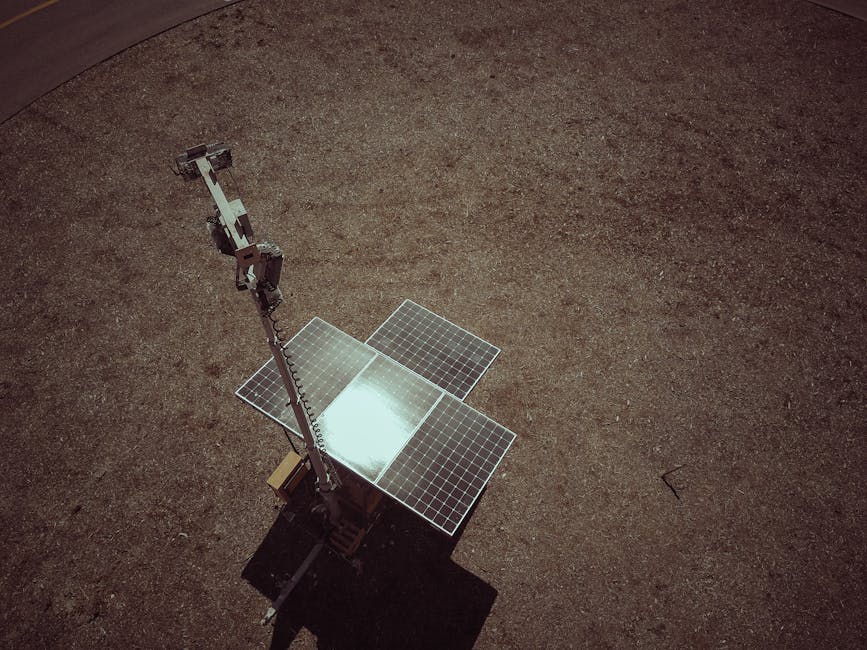
Solar energy has become an increasingly popular choice for homeowners and businesses looking to reduce their carbon footprint and lower their energy bills. With advancements in technology and increasing awareness of the benefits of renewable energy sources, solar power is becoming more accessible and affordable than ever before. In this article, we will explore the practical insights and specific benefits of solar and renewables, and how they can help you save money while reducing your impact on the environment.
The Benefits of Solar Energy
Solar energy is a clean, renewable source of power that can help reduce your reliance on traditional fossil fuels. By harnessing the power of the sun, you can generate electricity for your home or business without contributing to harmful greenhouse gas emissions. In addition to being environmentally friendly, solar energy can also help you save money on your energy bills in the long run.
One of the key benefits of solar energy is that it can provide a reliable source of power even in remote or off-grid locations. By installing solar panels on your property, you can generate electricity during the day when the sun is shining, and store excess energy in batteries for use at night or on cloudy days. This can help you reduce your dependence on the grid and ensure that you have a consistent source of power, even during power outages or emergencies.
Another advantage of solar energy is that it can help increase the value of your property. Homes and businesses with solar panels are often more attractive to buyers, as they offer the potential for long-term energy savings and environmental benefits. Investing in solar energy can also help you qualify for government incentives and rebates, further reducing the upfront cost of installation.
Practical Insights for Solar and Renewables
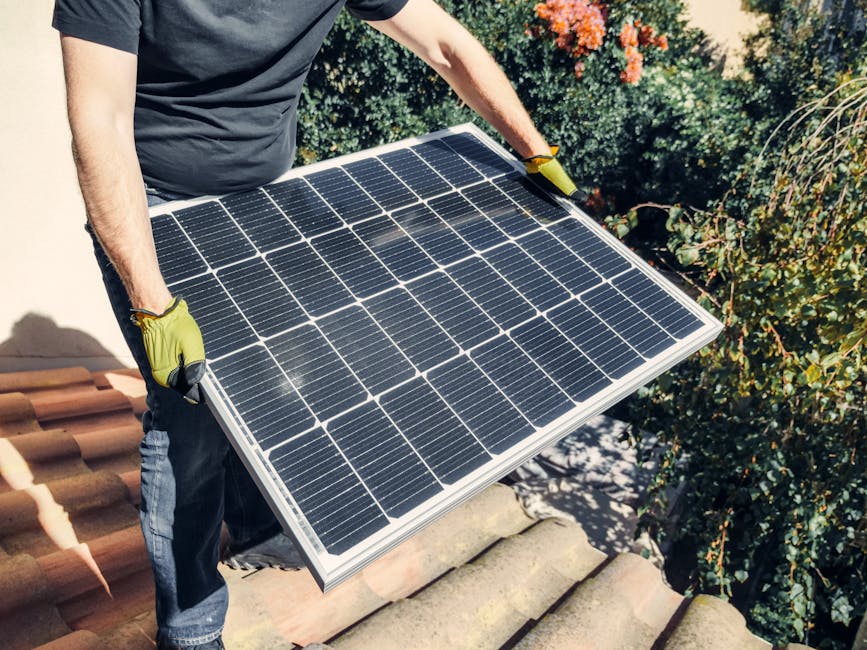
When considering solar energy for your property, there are several key factors to keep in mind. First and foremost, it’s important to assess your energy needs and determine the size and type of solar system that will best meet your requirements. A professional solar installer can help you conduct a site assessment and design a system that is tailored to your specific needs and budget.
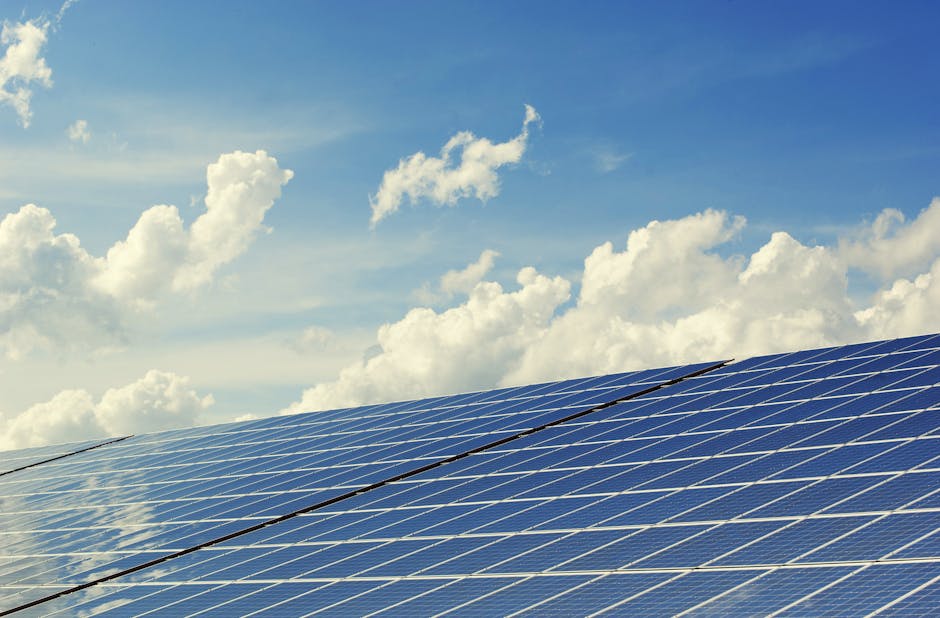
In addition to selecting the right solar panels and equipment, it’s also important to consider the orientation and shading of your property. Solar panels work best when they are installed on a south-facing roof with minimal shading from trees or buildings. By optimizing the placement of your solar panels, you can maximize their efficiency and ensure that you are getting the most out of your investment.
Finally, it’s important to consider the long-term maintenance and monitoring of your solar system. While solar panels are durable and require little maintenance, it’s important to regularly inspect and clean your panels to ensure optimal performance. In addition, monitoring your energy production and consumption can help you identify any issues or inefficiencies and make adjustments as needed.
In conclusion, solar energy offers a practical and sustainable solution for homeowners and businesses looking to reduce their energy costs and environmental impact. By investing in solar power, you can take control of your energy needs, reduce your reliance on traditional fossil fuels, and enjoy long-term savings on your energy bills. With the right planning and installation, solar energy can provide a reliable and efficient source of power for years to come.